
QA/QC and Project Documentation
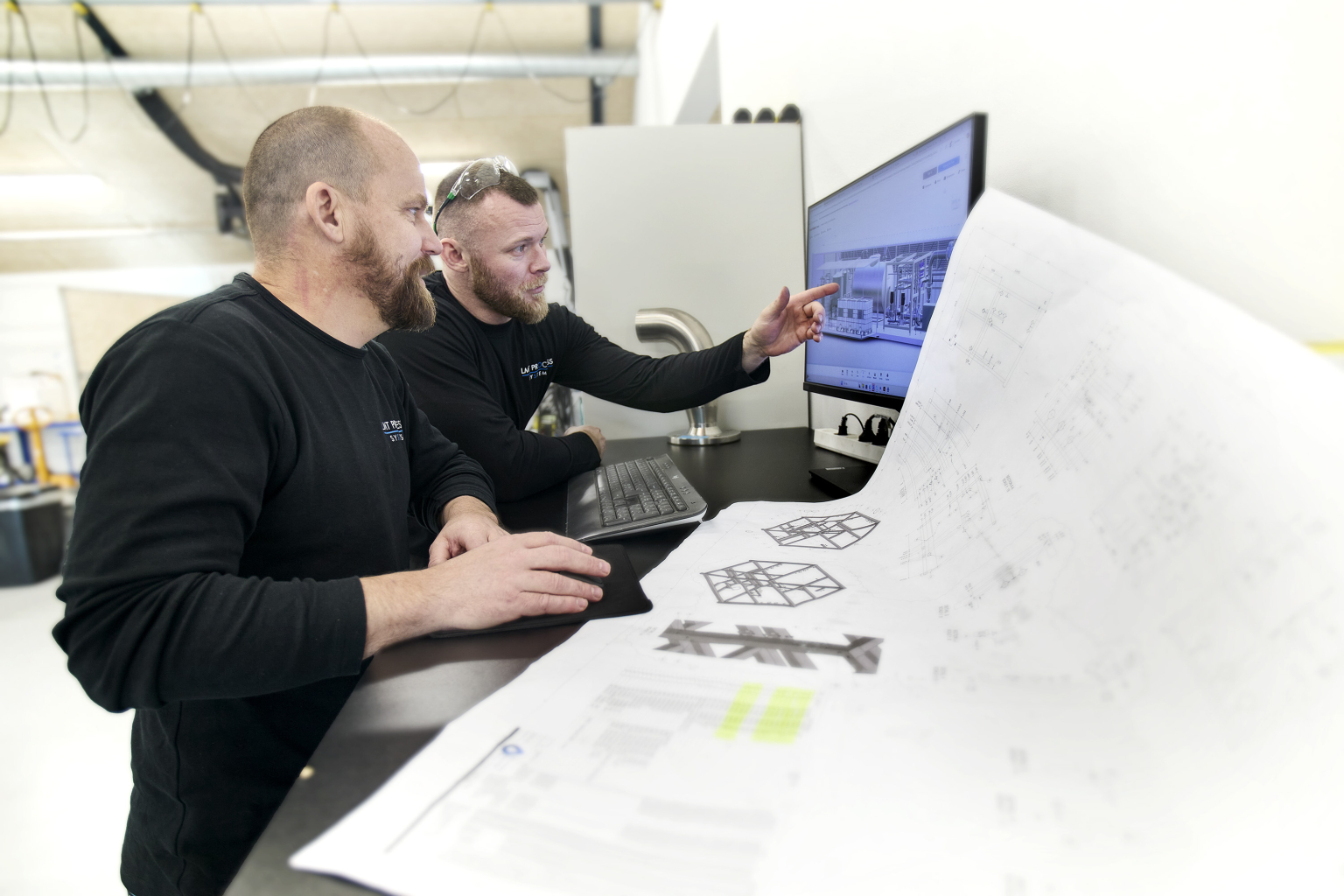
Quality and traceability throughout the project
At LMT Process Systems, quality assurance and documentation are an integral part of project execution. We ensure compliance and traceability every step of the way, from the receipt of the first raw materials to the final handover of the completed process plant.
Do you need a strong QA/QC partner for your next project?
Let’s discuss your requirements for quality assurance, test protocols, and documentation. We’ll tailor our approach to your project structure.
About Our QA/QC & Documentation
Complete or partial solution
We can handle the entire QA/QC process or serve as a specialized resource within your own quality team.
Structured Testing Process
We prepare reports and plan and conduct both FAT (Factory Acceptance Test) and SAT (Site Acceptance Test).
Digital Traceability
Fully electronic recording of welds, NDT reports, 3.1 material certificates, and component specifications.
Site Quality Plan (SQP)
Development and maintenance of project-specific quality plans that define responsibilities, control activities, documentation requirements, inspection points, and quality assurance throughout the various phases of the project.
Receiving Inspection
Inspection and documentation of materials, components, and instruments upon receipt. This may include, among other things, verification against specifications, certificates, labeling, material quality, and other project-specific requirements.
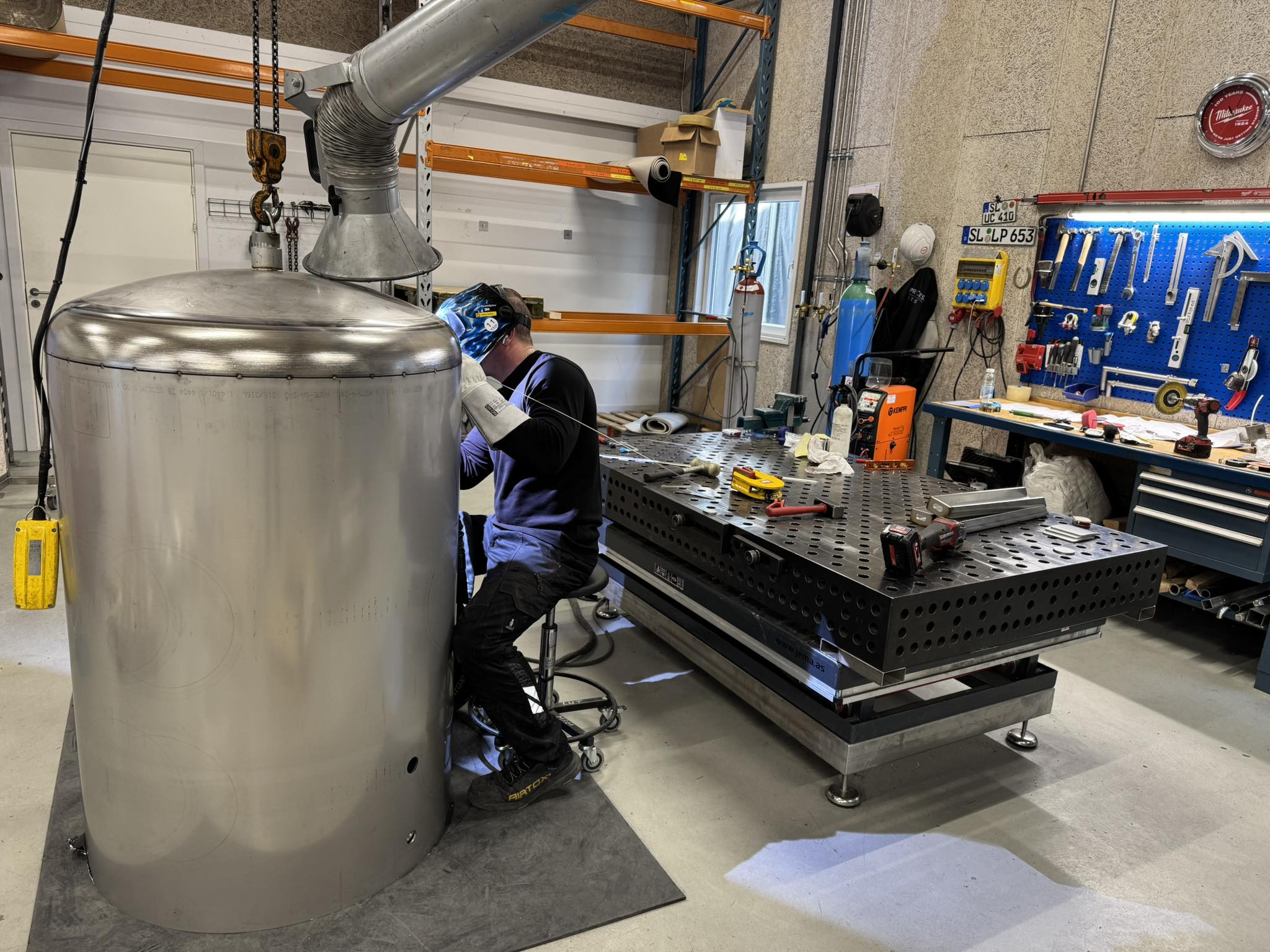
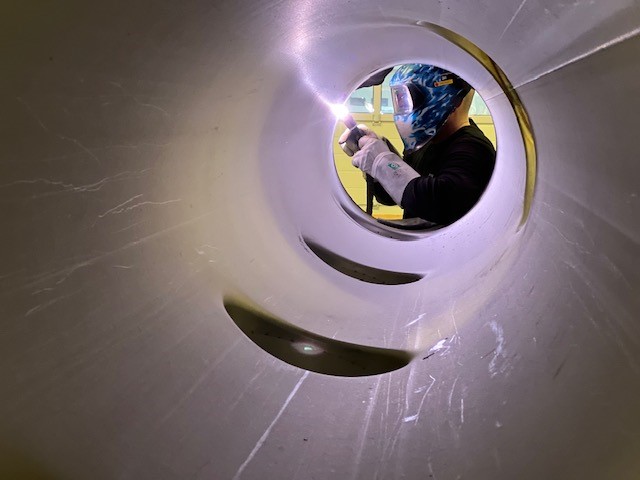
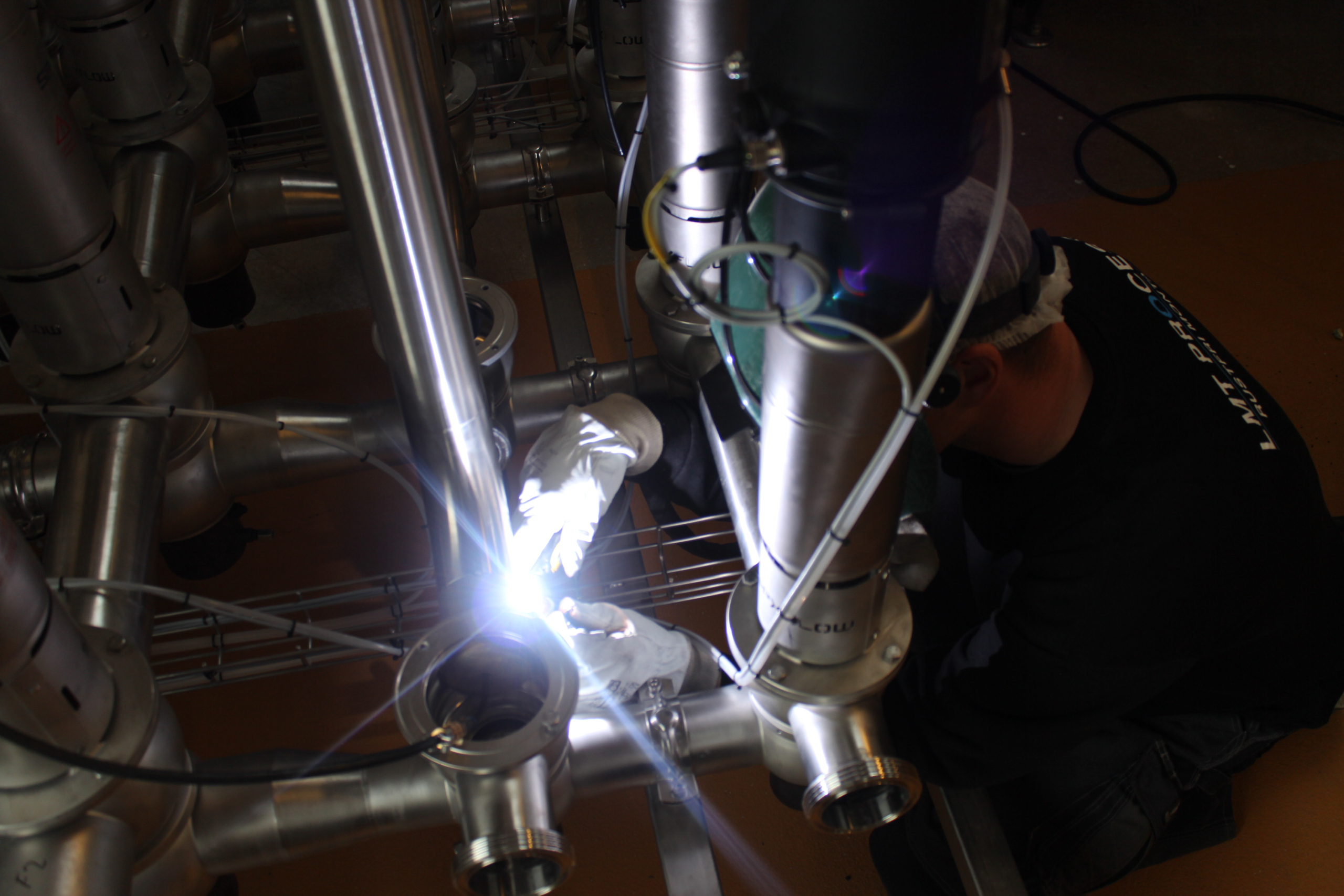
Electronic Welding Documentation
Structured electronic recording and traceability of welding work throughout the project.
The documentation may include, among other things, weld numbers, welder IDs, materials, certificates, WPSs, welder qualifications, inspection status, and related NDT documentation.
This provides an ongoing overview of the project’s welding status and supports traceability from each individual weld to the final documentation package.

FAT – Factory Acceptance Test
Preparation of FAT protocols, as well as the planning, coordination, and execution of Pre-FAT and FAT in collaboration with the customer.
After the test is completed, any comments and observations are addressed, and the final FAT report is prepared for approval.
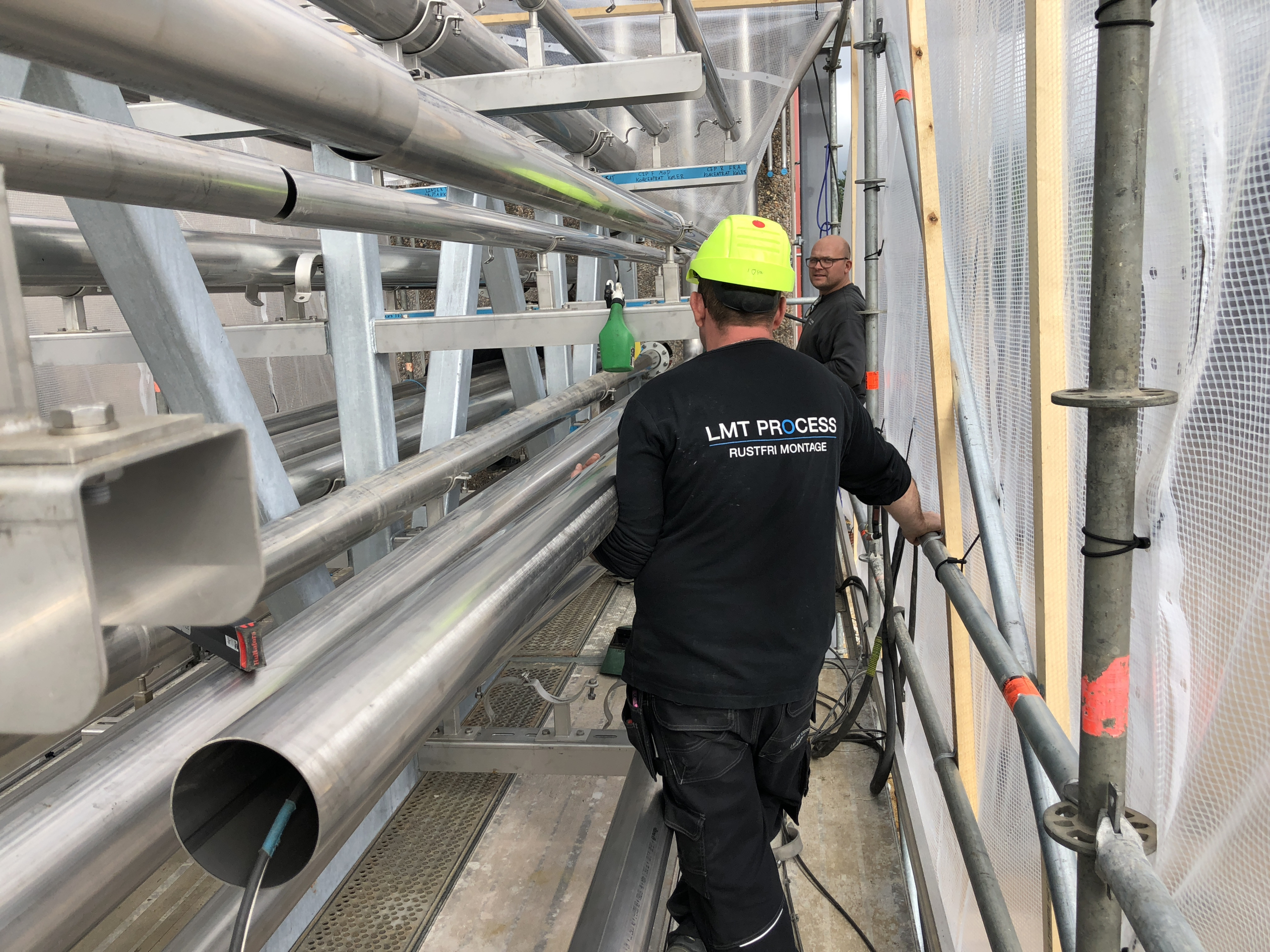
SAT – Site Acceptance Test
Preparation and implementation of SAT protocols following on-site installation.
We can coordinate testing activities, record and follow up on observations and punches, and prepare the final SAT report.
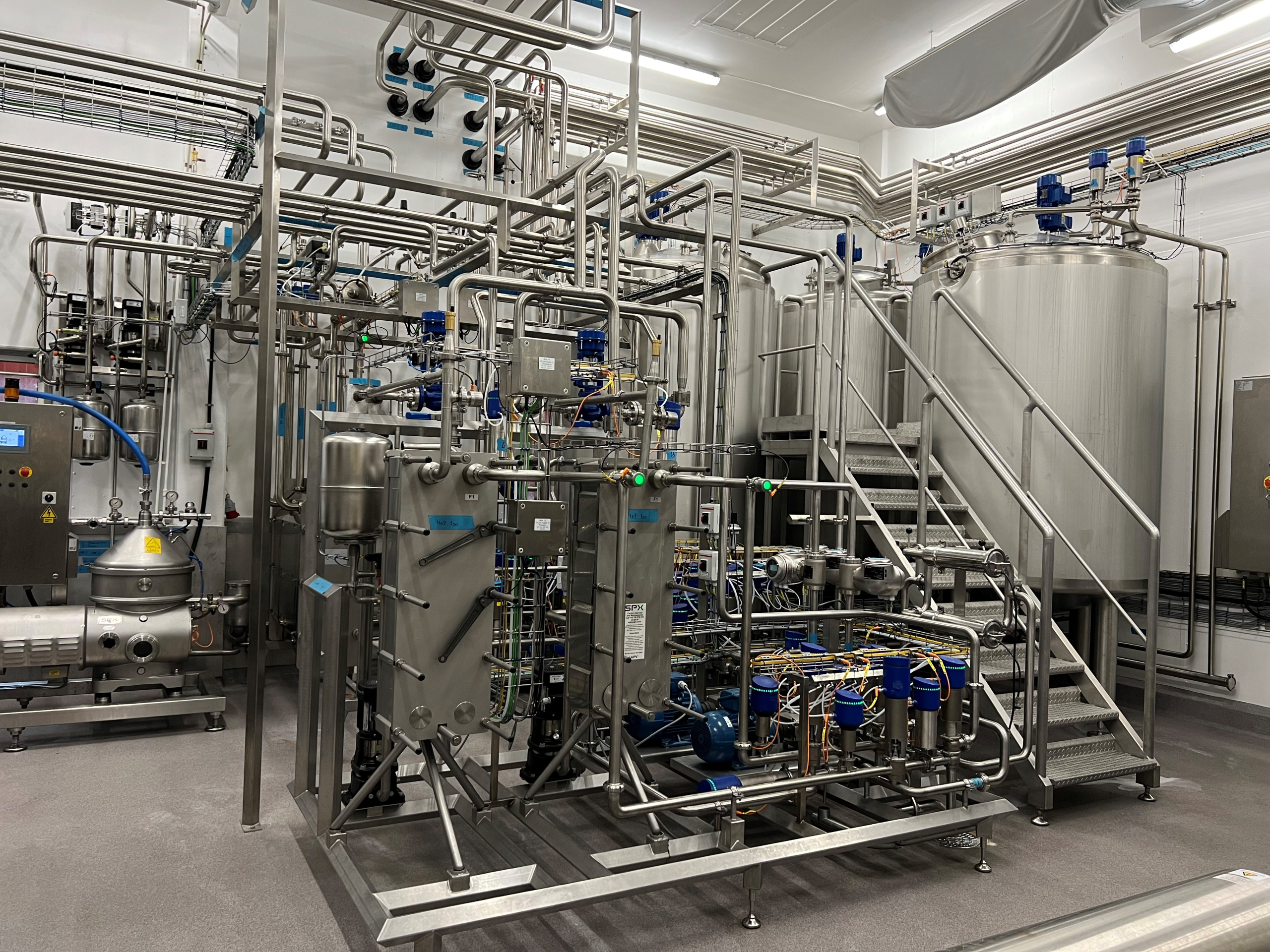
NDT and Third-Party Inspection
Planning and coordination of NDT performed by a qualified third party in accordance with the project's requirements and specifications.
Depending on the project, the review may include, among other things:
- VT – visual inspection
- PT – Penetrant Testing
- RT – Radiographic Testing
- Other project-specific NDT methods
We coordinate the scope of the inspection, its execution, reporting, and follow-up with the selected third-party inspector.
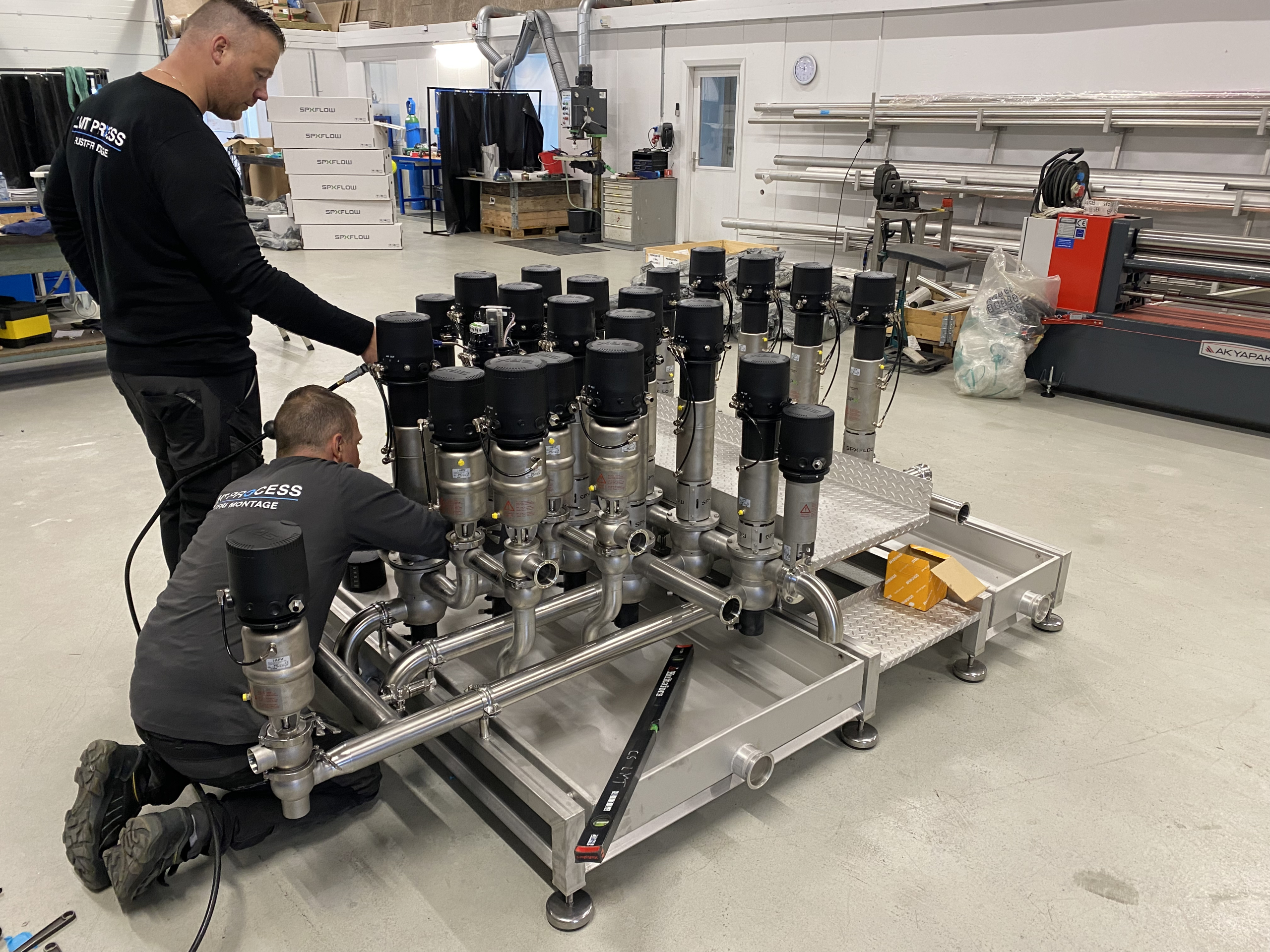
Documentation from Start-up to Handover
Good documentation is created on an ongoing basis throughout the project—not just when the installation is due to be handed over.
By compiling the documentation in parallel with production and assembly, we ensure clear consistency and traceability among materials, components, welds, inspections, and tests performed.
A project-specific documentation package may include, among other things:
- Material and Component Certificates
- Receiving Inspection
- Welding Specifications and Welding Documentation
- WPS/WPQR
- Welding Certificates and Qualifications
- NDT Reports
- Inspection and Checklists
- FAT Protocols and Reports
- SAT Protocols and Reports
- Pressure Testing Documentation
- Punch and Close-Out Documentation
- As-built documentation
- Final Handover Documentation
The documentation can be organized and submitted electronically in accordance with the customer’s document management system and project-specific requirements.
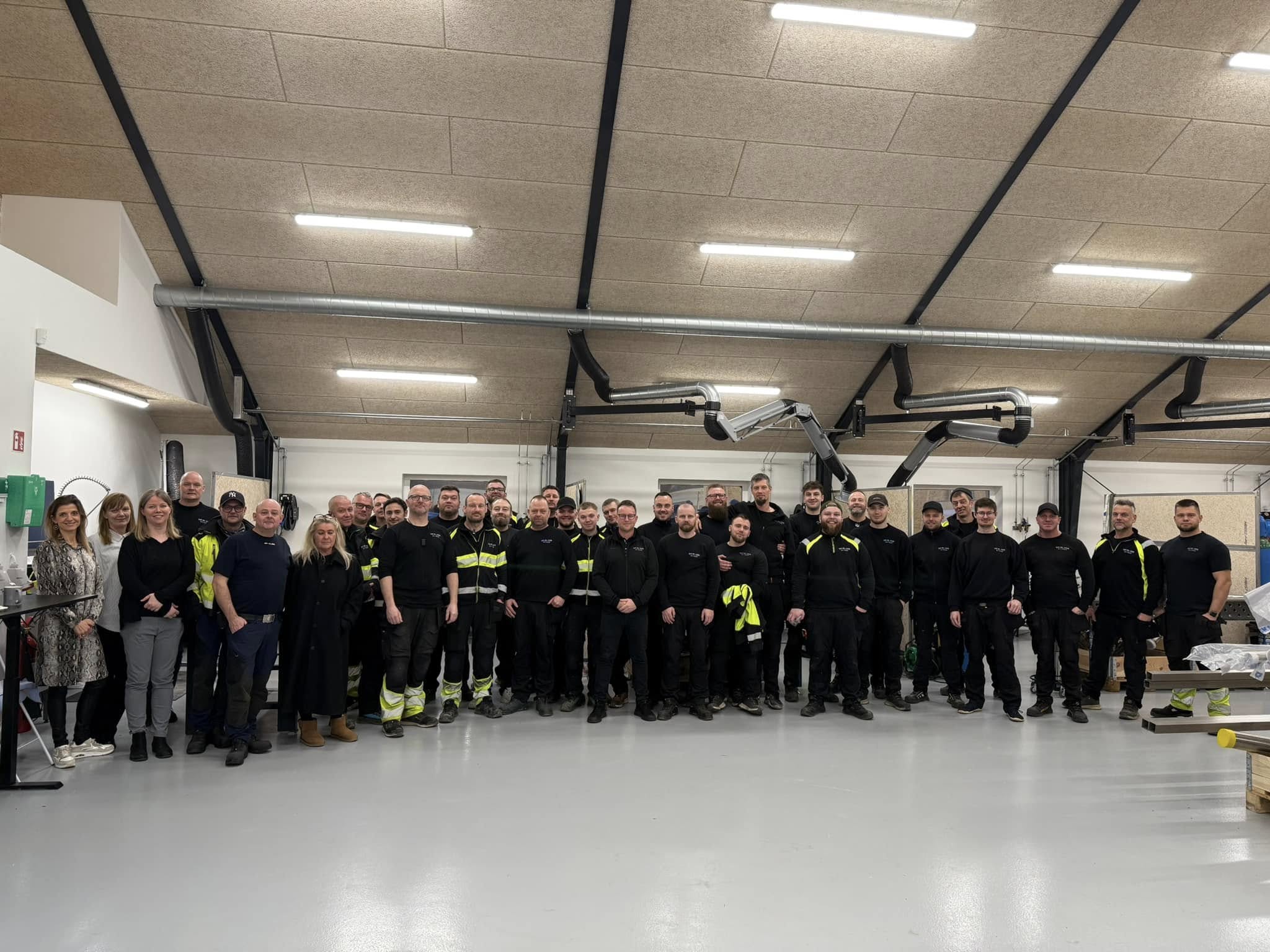
One partner—from construction to handover
By combining project management, production, installation, QA/QC, testing, and documentation, LMT Process Systems can take responsibility for complete work packages rather than merely providing individual resources.
This ensures clear lines of responsibility, well-defined roles, and ongoing quality assurance throughout the entire project—from the moment the first materials are received until the completed installation and documentation are delivered to the customer.